
Moving to a KC Apartment Without Appliances? Here's Your Checklist
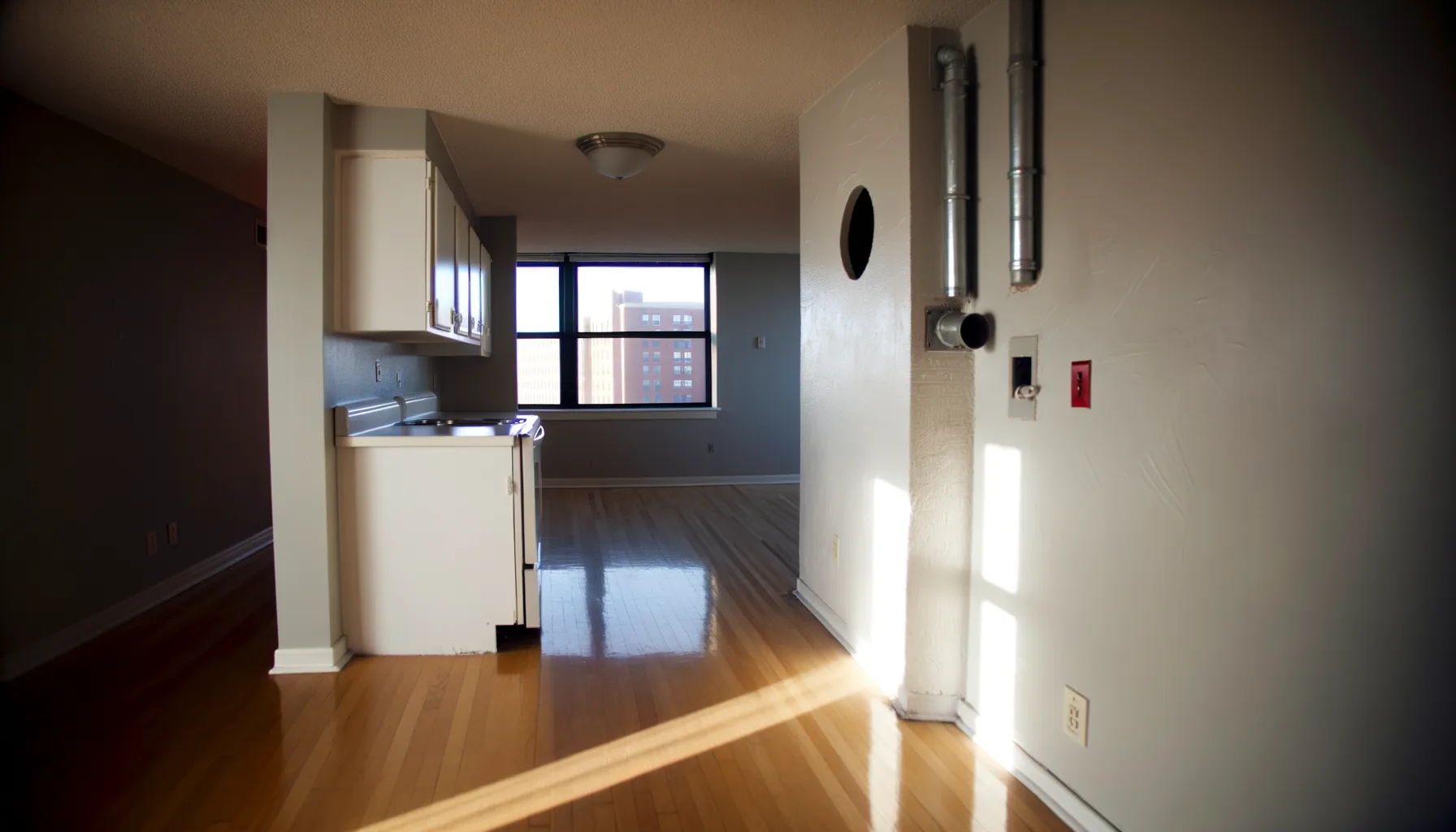
You signed a lease on a place in KC and then noticed the fine print: "Appliances not included." Or maybe the unit comes with a fridge and stove but no washer or dryer. Either way, you have some figuring out to do before move-in day.
I deliver appliances to KC apartments every week. Here is the checklist I wish every renter had before they called me — it saves both of us time and makes sure your install goes smooth on the first trip.
Check Your Hookups First
Before you rent, buy, or borrow anything, go to the apartment and look at what connections exist. This takes five minutes and prevents a lot of headaches.
For a washer: You need a hot water valve, a cold water valve, and a drain. These are usually behind a panel in a closet or laundry nook. If you see two knobs and a standpipe or drain box, you are good. If you see nothing — no panel, no valves — your unit might not be washer-ready at all. Ask your landlord before you commit.
For a dryer: You need either a 240V outlet (big three-prong or four-prong plug, not a regular wall outlet) for electric, or a gas line hookup. You also need a dryer vent that goes to the outside. This is critical. Some older KC apartments do not have external vents, and running a dryer without one fills your apartment with lint and moisture. Not safe.
For a fridge: Just a standard 110V outlet on its own circuit. Pretty much every kitchen has one. Make sure the outlet works — plug in your phone charger or something and verify it has power.
Measure the Doorways
This one catches people off guard. A standard washer is about 27 inches wide. A full-size fridge is usually 30-33 inches. Your apartment doorways might be 28-30 inches.
Measure every doorway between the front door and where the appliance is going. Hallways too. If there is a turn, measure the turn. I have had deliveries where the washer fits through the front door but cannot clear the turn into the laundry closet.
Stairs are another factor. If you are on the second or third floor, that is fine — I carry appliances up stairs all the time. But I need to know ahead of time so I plan for it. A third-floor walk-up with narrow stairs is a different job than a ground-floor unit with a wide hallway.
Know Your Floor Situation
If you are above the first floor, check what is under the washer hookup area. Most apartments have a drain pan already installed. If yours does not have one, get one — a $15 plastic pan from Home Depot can save you from a flood that ruins your downstairs neighbor's ceiling.
For fridges, make sure the floor is level-ish where it is going. I level every fridge I install, but if the floor has a serious slope, the fridge works harder and the door might not seal right. A couple of shims fix that — I bring them with me.
Talk to Your Landlord
Some landlords in KC are great about letting renters bring in their own appliances. Others have rules about it. Before you rent or buy a washer, dryer, fridge, or stove, get it in writing that your landlord is okay with it.
Ask specifically about:
- Whether the unit is rated for a washer/dryer (some older buildings have plumbing that cannot handle it)
- Who is responsible for water damage if something leaks
- Whether they need to approve the specific appliance brand or type
Most landlords are happy when a renter brings in their own washer and dryer because it makes the unit more attractive. But get the okay first.
Your Options: Buy, Rent, or Laundromat
If you are in a temporary situation — a year lease, maybe two — buying appliances does not always make sense. You pay $300-600 for a used set, haul it in, haul it out when you leave, and hope nothing breaks in between.
Renting month-to-month is built for exactly this situation. I deliver, install, test everything, and pick it all up when you move out. If it breaks while you have it, I fix it within 72 hours. No repair bills. No disposal hassle when you leave.
The laundromat works if you are single and do two loads a week. Once you are doing four-plus loads, the math tilts hard toward having machines in your apartment. The convenience alone is worth it — no more hauling laundry bags down three flights of stairs and across a parking lot.
The Quick Checklist
- Confirm which appliances are included and which are not — get it in writing
- Check for washer hookups: hot valve, cold valve, drain
- Check for dryer hookup: 240V outlet or gas line, external vent
- Measure every doorway from entrance to install location
- Measure hallway widths and any turns
- Note your floor level — stairs, elevator, or ground
- Check for a drain pan under the washer hookup
- Get landlord approval in writing
- Decide: buy, rent, or laundromat
If you want to skip most of this headache, text me at (913) 214-1115 with your address. I can tell you what I need to know, check my stock, and usually have you set up within a few days of move-in. That is what I am here for.